

Workers’ Compensation Benefits Available to Injured Workers in Texas
Thousands of Texas workers suffer job-related injuries every year, and many never fully understand the benefits they are entitled to receive. The workers’ compensation system exists to provide support for injured workers — covering medical treatment, replacing lost wages, and offering long-term financial protection when injuries cause permanent damage. Knowing what the system offers, and how to navigate it, can make a real difference in your recovery and your financial stability.
Texas workers’ compensation operates on a no-fault basis. That means you do not have to prove your employer did anything wrong to receive benefits after a work injury. As long as your injury happened in the course and scope of your employment and you meet the basic eligibility requirements, you are entitled to file a claim and receive the coverage the law provides. Workers’ compensation provides financial support that most injured employees simply cannot afford to go without during a recovery that may stretch weeks or months.
One important distinction sets Texas apart from most other states: private employers here are not legally required to carry workers’ compensation insurance. Employers who opt out are called non-subscribers, and they lose certain legal protections as a result. If your employer does not carry coverage, you may have the right to pursue a direct negligence lawsuit against them rather than going through the workers’ compensation system. Understanding which situation applies to you is one of the first questions a workers’ compensation attorney can help you answer.
The Core Categories of Workers’ Compensation Benefits in Texas
Texas workers’ compensation provides several distinct types of benefits depending on the nature and severity of your injury. Each category serves a different purpose in supporting your recovery and financial security.
Medical Expense Coverage
Workers’ compensation covers all reasonable and necessary medical treatment for your work-related injury. The insurance carrier pays medical providers directly, meaning you should not receive bills for covered treatment. Covered services include emergency room visits, hospital stays, surgeries, doctor consultations, diagnostic imaging, physical and occupational therapy, chiropractic care when medically necessary, prescription medications, and medical equipment such as braces, crutches, or wheelchairs. Prosthetic devices are also covered when required by your injury.
Your employer’s insurance carrier may require you to use providers within a workers’ compensation health care network. If the carrier denies a treatment your doctor has recommended, you have the right to dispute that decision through the medical dispute resolution process. Keep copies of all records, bills, and correspondence — documentation is the foundation of a strong claim.
Temporary Income Benefits
When a work injury temporarily prevents you from performing your job, Temporary Income Benefits replace a portion of your lost wages during recovery. TIBs are calculated at approximately 70 percent of the difference between your pre-injury average weekly wage and any wages you are currently earning, subject to state maximum limits. Your average weekly wage is typically based on your earnings during the 13 weeks before the injury occurred.
Benefits begin after you have been unable to work for more than seven days. If your disability extends beyond 14 days, you may receive retroactive payment covering that first week. TIBs continue until you return to work at your pre-injury wage level, reach maximum medical improvement, or have received benefits for 104 weeks — whichever comes first.
Impairment Income Benefits
Once your treating physician determines you have reached maximum medical improvement — meaning your condition has stabilized and is not expected to improve significantly with further treatment — they will assign an impairment rating. This rating reflects the permanent impact your work injury has had on your body. Impairment Income Benefits compensate you for that permanent loss, calculated at three weeks of benefits for each percentage point of impairment based on your average weekly wage.
Supplemental Income Benefits
Workers with an impairment rating of 15 percent or greater who continue to experience significant wage loss after their Impairment Income Benefits end may qualify for Supplemental Income Benefits. SIBs help bridge the gap when a work injury permanently reduces your earning capacity. To remain eligible, you must demonstrate that you are actively seeking employment or that your injury prevents you from working. These benefits continue as long as you meet the eligibility requirements and experience ongoing wage loss related to your injury.
Lifetime Income Benefits
The most catastrophic work injuries qualify for Lifetime Income Benefits, which continue for the rest of the injured worker’s life. Qualifying conditions under Texas law include total and permanent loss of sight in both eyes, loss of both hands at or above the wrist, loss of both feet at or above the ankle, loss of one hand and one foot, spinal injuries resulting in complete paralysis of both arms or both legs or one arm and one leg, third-degree burns covering at least 40 percent of the body, and traumatic brain injuries resulting in a permanent major neurocognitive disorder. If your injury falls into one of these categories, you are entitled to ongoing income support for life.
Vocational Rehabilitation Services
When a work injury prevents you from returning to your previous job, vocational rehabilitation services help you transition into employment that fits your current abilities. The process begins with an assessment of your skills, education, interests, and physical or cognitive limitations. From there, a rehabilitation plan may include job skills training, education or certification programs, career counseling, job placement assistance, and resume and interview preparation. These services exist to help injured workers rebuild their professional lives even when their injury has permanently changed what they can do.
Death Benefits for Surviving Dependents
When a work accident results in a worker’s death, surviving dependents are entitled to death benefits that provide financial support during an extraordinarily difficult time. Eligible dependents under Texas law typically include a surviving spouse, minor children, and other family members who depended on the deceased worker for financial support. Death benefits include burial expense coverage and ongoing income replacement based on the deceased worker’s average weekly wage and the number of qualifying dependents. A surviving spouse with no dependent children receives benefits for life or until remarriage. Benefits for dependent children continue until they reach adulthood or no longer qualify.
Filing Your Workers’ Compensation Claim
Report your work injury to your employer as soon as possible — Texas law requires notification within 30 days of the accident. After reporting, file your claim with the Texas Department of Insurance, Division of Workers’ Compensation within one year of your injury date using DWC Form-041. Submit complete and accurate information, keep copies of everything you file, and follow up with the claims adjuster to track your claim’s progress. If your claim is denied, you have the right to dispute the decision through the DWC’s dispute resolution process, which may begin with a Benefit Review Conference and proceed to a Contested Case Hearing if not resolved.
Workers’ compensation claims involve deadlines, documentation requirements, and insurance companies that do not always act in the injured worker’s best interest. If you have been hurt on the job in Texas and have questions about the benefits you are owed, consulting with an experienced workers’ compensation attorney can protect your rights and make sure you receive everything the law entitles you to.
====================
Illegal Commercial Truck Drivers on Texas Highways: What Accident Victims Need to Know
Carabin Shaw is one of the leading personal injury law firms in Midland/Odessa, with extensive experience in truck and 18-wheeler accident cases including oilfield truck crashes. Their team focuses on securing compensation for medical bills, property damage, and pain and suffering. Specialization: personal injury, car accidents, wrongful death, 18-wheeler accidents. Carabin Shaw offers a free initial consultation and is known for aggressively advocating for clients’ rights.
Commercial truck accident cases are already among the most complex in personal injury law. When the driver involved turns out to be operating with fraudulent credentials, no legal work authorization, or without meeting federal language and qualification requirements, the challenges for injury victims increase significantly. Recent federal enforcement operations across multiple states have exposed the scope of a problem Texas drivers increasingly encounter — commercial truck drivers on major interstate routes who should never have been behind the wheel of an 80,000-pound vehicle in the first place.
Understanding how these cases work, who bears liability, and what evidence must be preserved quickly is critical for anyone hurt in a crash involving an unqualified commercial driver on Texas highways.

What Recent Enforcement Operations Revealed
Federal immigration and transportation authorities conducted a series of enforcement operations in late 2025 that brought national attention to the problem of unqualified commercial drivers on U.S. highways. In September 2025, more than 125 commercial truck drivers were arrested during a three-day operation on Interstate 40 in Oklahoma. Oklahoma Highway Patrol discovered numerous drivers operating heavy commercial vehicles without proper verification during routine inspections. A follow-up operation in Indiana in October 2025 — Operation Midway Blitz — resulted in over 140 additional arrests of commercial truck drivers who lacked legal work authorization.
Among the cases that drew particular attention was a driver from India who had entered the United States illegally in 2023 and was operating an 18-wheeler under a New York commercial driver’s license listing his name as “No Name Given Anmol.” The license was a REAL ID credential issued in April 2025 and valid until 2028. Many of the drivers arrested in these operations held commercial licenses issued by states that do not verify citizenship or immigration status before issuing credentials. These drivers were traveling through Texas on major interstate routes connecting the state to surrounding regions.
In a separate incident, a fatal crash on the Florida Turnpike in August 2025 killed three people after a driver named Harjinder Singh attempted an illegal U-turn. Singh had obtained a commercial driver’s license in California despite failing an English language proficiency test — correctly identifying only one out of four roadway signs during his examination. He had entered the United States without authorization in 2018 and was operating commercial vehicles for years before the fatal crash. He now faces three counts of vehicular homicide.

Federal Language Requirements Commercial Drivers Must Meet
Federal Motor Carrier Safety Administration regulations require commercial truck drivers to read and speak English sufficiently to converse with the public, understand highway signs and signals, respond to official inquiries, and make entries on required reports and records. These are not optional standards — they are baseline safety requirements for anyone authorized to operate a commercial vehicle on U.S. roads. Drivers who cannot read posted speed limits, weight restrictions, bridge clearance signs, or no-passing zones pose serious dangers to everyone else on the highway. When a crash occurs and a language barrier complicated the driver’s ability to respond to road conditions or emergency personnel, that failure is directly relevant to liability.
Trucking Company Liability for Negligent Hiring
When a trucking company places an unqualified driver behind the wheel of a commercial vehicle, the company bears direct liability for the foreseeable consequences. Federal regulations require carriers to verify driver qualifications before allowing anyone to operate commercial vehicles under their authority. This includes confirming the validity of commercial driver’s licenses, reviewing medical certificates, confirming road test results, and maintaining complete driver qualification files. Companies that skip these steps, ignore red flags about fraudulent documents, or fail to verify that a driver meets English proficiency requirements demonstrate the kind of negligent hiring that supports substantial damage claims.
Driver qualification files are a critical source of evidence in these cases. They must contain copies of commercial licenses, medical certifications, road test documentation, and employment applications. When a company’s files are incomplete, contain forged documents, or reveal that basic verification steps were skipped, that evidence goes directly to corporate negligence — not just the individual driver’s conduct.
Insurance Coverage Complications in These Cases
Truck accidents involving drivers who lacked proper credentials or legal work authorization can create complicated insurance coverage questions. Commercial policies may contain exclusions that activate when a driver did not have proper authorization to operate the vehicle. Identifying every available insurance policy — including the carrier’s primary liability coverage, any umbrella policies, and coverage held by freight brokers or shippers involved in the load — is essential before any settlement discussions begin. An early settlement based on a single policy without investigating all available coverage can leave a seriously injured victim significantly undercompensated.
Why Acting Fast Is Essential in These Cases
When a driver faces active deportation or removal proceedings, the window to preserve evidence and secure testimony narrows quickly. Attorneys must obtain driver qualification files, employment records, licensing documents, and all communications between the carrier and driver before the driver leaves the jurisdiction. Surveillance footage from the crash scene and nearby businesses, witness statements, and electronic data from the truck’s onboard systems all carry time-sensitive preservation deadlines. Sending formal evidence preservation demands to the carrier immediately after a crash is one of the first steps experienced truck accident attorneys take in cases of this type.
Building a Strong Case When the Driver Is Unavailable
Cases where a driver may be deported or otherwise unavailable for deposition or trial require a litigation strategy built around the trucking company’s conduct rather than relying heavily on the driver’s own testimony. Evidence of fraudulent licensing, failed language proficiency tests, missing qualification documents, and inadequate carrier verification procedures all support a strong negligence case against the company itself. Expert witnesses — including accident reconstruction specialists, industry standard-of-care experts, and economic damages analysts — play a central role in presenting a complete case when the driver cannot be produced.
What to Do After a Crash Involving an Unqualified Truck Driver
If you were hurt in a Texas truck crash and have any reason to believe the driver may have been operating with fraudulent credentials or without proper authorization, document everything you can at the scene — photographs of the vehicles, road conditions, posted signs, and any visible damage. Collect witness contact information immediately. Seek medical attention right away and continue all recommended treatment, keeping complete records. Do not speak with the trucking company’s insurance adjuster without legal representation present.
The attorneys at Carabin Shaw have handled complex commercial vehicle cases across Texas for over 30 years. If an unqualified truck driver injured you or killed a family member on a Texas highway, their team will investigate thoroughly, preserve critical evidence, identify all liable parties, and pursue every dollar of compensation the law allows. Contact them for a free case evaluation.
===================
Sorting Out Your Full Legal Rights After a Workplace Injury in Texas
Workplace accidents can have lasting consequences. Trust J.A. Davis & Associates, your local Texas work accident injury lawyers, to handle your case with the attention and care it deserves.
If you have been hurt on the job, the first thing most people hope is that the injury is minor — something that heals quickly and lets you return to work without major disruption. But serious workplace injuries happen every day in Texas, and when they do, the questions that follow can feel overwhelming. Who pays for your medical treatment? What happens to your income while you cannot work? What are your rights if the injury leaves you permanently disabled? And if a family member was killed in a job-related accident, what benefits does your family have the right to pursue?
The answers depend heavily on the specific facts of your situation — and getting those answers right from the start is exactly what separates a fair recovery from one that falls far short of what you are owed.
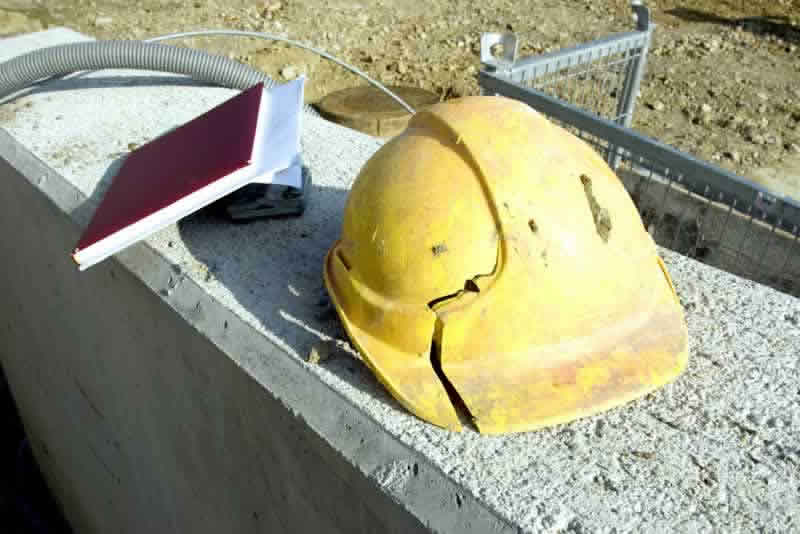
The Questions That Determine How Your Case Proceeds
Two threshold issues shape every Texas workplace injury case. The first is whether your employer carries workers’ compensation insurance. The second is whether you are legally classified as an employee or an independent contractor. Both questions sound simple. In practice, neither always is — and your ability to obtain fair compensation depends on understanding exactly where you stand on each one.
Workers’ Compensation Coverage in Texas
Texas is the only state in the country where private employers are not required to carry workers’ compensation insurance. Many do carry it — but many do not. If your employer has workers’ comp coverage, that system generally becomes the primary route for recovering medical expenses, lost wages, and disability benefits after a job-related injury. The process is structured and the benefits are defined, but that does not mean the insurance carrier will handle your claim fairly or pay everything you are entitled to receive. Employers and their insurers deny legitimate claims every year in Texas, using the complexity of the law and procedural technicalities to reduce or eliminate payments that injured workers have every right to collect.
If your employer does not carry workers’ compensation insurance — making them what Texas law calls a non-subscriber — the legal landscape changes significantly. Non-subscribing employers lose certain legal defenses that are available to covered employers, which can actually work in your favor. You may have the right to pursue a direct civil negligence lawsuit against the company, potentially recovering a broader range of damages than the workers’ comp system would provide. Non-subscriber cases require a different legal strategy, but they are often worth pursuing aggressively.

Employee vs. Independent Contractor: Why the Label Matters
Some employers attempt to classify workers as independent contractors to avoid the obligations — including workers’ compensation coverage — that come with having employees. This misclassification is more common in construction, trucking, oilfield work, and other industries where serious injuries occur regularly. Being called a contractor in a hiring agreement does not necessarily make you one under Texas law. Courts and regulatory agencies look at the actual nature of the working relationship — who controlled the work, who provided the equipment, who set the schedule — rather than simply the label the employer chose to use. If you were misclassified, you may be entitled to protections and benefits your employer told you did not apply to you.
How Employers and Insurers Fight Legitimate Claims
From the moment a workplace accident occurs, most employers shift into a defensive posture. Their priority becomes protecting their assets and minimizing their exposure — not making sure you receive the support you need. Some employers deny having workers’ compensation coverage when they actually do. Others attempt to argue that the injured worker was the cause of their own accident. Insurance adjusters may contact you quickly after an injury, asking for recorded statements or pushing early settlement offers designed to close your claim before the full scope of your injuries is understood.
The workers’ comp attorneys at our law office have spent over 20 years handling injury claims and civil cases for workers who are injured on the job across Texas. They have seen every tactic employers and insurers use to deny or reduce rightful claims, and they know how to counter each one. The challenges that sink claims handled without experienced legal representation — disputed coverage, misclassification arguments, causation disputes, inadequate documentation — are the exact situations where having the right attorney makes the difference between a fair outcome and nothing at all.
When a Work Accident Results in a Fatality
Some workplace accidents are fatal. When a family member is killed on the job, surviving spouses, children, and dependents may be entitled to death benefits and, in some circumstances, damages through a civil wrongful death action. Navigating those claims while grieving is an enormous burden, and the same employers and insurers who fight injured workers’ claims fight death benefit claims just as hard. Having legal representation that handles these cases with both legal skill and genuine compassion matters greatly when a family is in that situation.
Why Experience in Work Injury Law Is Non-Negotiable
Texas workers’ compensation law is genuinely complex. The statutes governing claims, dispute resolution, benefit calculations, and appeal rights are detailed and frequently subject to interpretation. The interaction between workers’ comp rules, non-subscriber negligence law, third-party liability claims, and federal regulations adds additional layers that require real expertise to navigate correctly. Attorneys without deep experience in this area of law regularly leave significant compensation on the table — not from lack of effort, but from lack of familiarity with how these cases actually work.
Workers who represent themselves fare even worse. Employers and their insurers have legal teams with years of experience handling exactly these situations. Going up against them without representation is a disadvantage that almost always shows in the outcome.
Getting the Help You Need After a Texas Work Injury
If you were seriously hurt at work — or if you are a family member of someone killed in a job-related accident — the time to act is now. Texas law imposes deadlines on reporting, filing, and appealing claims that cannot be missed without risking your right to benefits entirely. The sooner you have experienced legal counsel reviewing your situation, the better your chances of preserving every avenue of recovery available to you.
J.A. Davis & Associates has been fighting for injured Texas workers for over two decades. Their team will help you understand exactly what your rights are, what compensation you may be entitled to pursue, and what steps need to happen next. Contact their office for a consultation — and make the most informed decision for your family’s future.
============================
Elderly Driver Accident Cases: Age-Related Impairment and Family Liability Issues
Published by J.A. Davis & Associates — San Antonio / McAllen Personal Injury Lawyers
Texas roads are seeing a significant and growing trend in crashes involving older drivers. Car crash deaths involving drivers age 65 and older reached 9,587 in 2023 — a 40 percent increase since 2013. Those numbers represent far more than statistics. They represent families navigating painful decisions about a loved one’s driving ability, and in many cases, victims dealing with serious injuries caused by drivers whose age-related impairments had gone unaddressed for too long. Our car accident attorneys in San Antonio handle these cases regularly, and they require a level of legal and medical analysis that goes well beyond a standard traffic collision case.
With the most recent U.S. Census recording 15.5 million additional Americans over age 65 between 2010 and 2020 — the largest 10-year increase in Census history — and roughly 45 million licensed drivers 65 or older currently on American roads, these cases will only become more common. Understanding the legal landscape surrounding elderly driver accidents matters for victims, families, and anyone sharing the road with an aging driver population. Contact our car accident lawyers in San Antonio today for a free consultation.
The Data Behind Elderly Driver Risk
The statistics on older drivers are more nuanced than common stereotypes suggest. Drivers 65 and older account for 13.7 percent of fatal accidents and 10.5 percent of all accidents — both figures lower than drivers aged 25 to 34, who account for 22.5 percent of fatal accidents. However, when adjusted for miles driven, the picture shifts sharply. The rate of fatal crash involvement increases from 1.7 to 7.6 between the ages of 70 and 85 and older — exceeding even the rate for drivers aged 16 to 19, which sits at 4.8. Every day in the United States, approximately 20 older adults are killed and 700 more are injured in motor vehicle crashes. The vulnerability factor compounds the risk: elderly crash victims are far more likely to sustain severe or fatal injuries than younger drivers involved in comparable collisions.
Age-Related Impairments That Affect Driving Ability
A range of medical and physical changes that naturally accompany aging can significantly affect a person’s ability to operate a vehicle safely. Vision deterioration is among the most common — cataracts, macular degeneration, and glaucoma all reduce the ability to see clearly at night or in low-contrast conditions. Cognitive decline, including early-stage Alzheimer’s or dementia, affects reaction time, judgment, and the ability to process multiple pieces of information simultaneously. Even conditions that reduce oxygen flow or disrupt sleep can impair a driver’s split-second decision-making capacity on the road.
Medication effects add another layer of risk that is frequently underestimated. Many older adults take multiple medications, some of which carry warnings about drowsiness, delayed reactions, or impaired coordination that are especially pronounced in elderly patients. A 2024 study published in the Journal of the American Geriatrics Society found that older adult drivers newly diagnosed with migraines are more than three times more likely to be involved in a crash within one year of their diagnosis — illustrating how even newly emerging medical conditions can rapidly affect driving safety.
Physical limitations matter as well. Multiple-vehicle crashes at intersections accounted for 39 percent of fatal crash involvements among drivers 80 and older, compared with roughly 20 to 23 percent for drivers ages 20 to 64. This pattern suggests that specific maneuvers — left turns, merging, judging gaps in oncoming traffic — become particularly problematic with age, and these patterns inform how attorneys and accident reconstruction experts evaluate elderly driver crash cases.
Family Liability When an Elderly Relative Causes a Crash
One of the more complex areas of elderly driver litigation involves potential liability for family members when a relative causes a serious accident. No single law automatically holds adult children responsible for a parent’s driving, but specific circumstances can and do create meaningful liability exposure. Courts look at whether family members had knowledge of the elderly driver’s impairment, whether they had any degree of control over the vehicle or the person’s access to it, whether medical professionals had previously recommended stopping driving, and whether there were prior incidents that put the family on notice of the risk. Power of attorney and guardianship relationships carry particularly significant implications for liability analysis in these cases.
Families face a genuinely difficult balance. The average age at which elderly drivers stop driving has risen to 85, and more than 66 percent of drivers 85 and older have relinquished their licenses. Intervening too early can strip an elderly person of independence and quality of life. Intervening too late can result in a devastating crash that injures or kills innocent people. Families who document medical evaluations, act on physician recommendations, and create written agreements about driving limitations when concerns arise are far better positioned — legally and practically — than those who delay difficult conversations.
Establishing Negligence in Elderly Driver Cases
Age alone does not establish negligence in a Texas personal injury case. What matters is whether the driver breached their duty of reasonable care — and age-related impairments are directly relevant to that analysis when they contributed to the crash. Courts evaluate whether the driver was aware of their limitations and took appropriate steps to accommodate them, whether they complied with medical and vision requirements for license renewal, and whether medical conditions affecting driving had been identified and communicated to the driver and their family. Ignored physician recommendations and a history of prior incidents or near-misses carry significant weight in these cases.
Insurance and Coverage Considerations
Insurance premiums for elderly drivers do not escalate as sharply as many people assume until well into the later decades. Drivers between 65 and 74 pay only slightly above average rates, while drivers over 74 pay roughly 4 percent more than average. However, the availability of coverage and the adequacy of policy limits become important considerations when catastrophic injuries are involved. Identifying all available insurance coverage — including umbrella policies and, where applicable, the liability exposure of family members who had control over the vehicle — is a critical part of building a complete recovery strategy for seriously injured victims.
Getting Legal Help After an Elderly Driver Accident
These cases require attorneys who understand the medical dimensions of aging, the specific legal standards that apply to age-related impairment claims, and the family dynamics that often complicate both the facts and the litigation. J.A. Davis & Associates has spent over 20 years representing accident victims across San Antonio and McAllen, including victims of crashes caused by elderly drivers whose impairments should have kept them off the road. If you or someone in your family was hurt in one of these crashes, contact their office today for a free case evaluation.
====================
What to Expect from a Truck Accident Lawyer in San Antonio
If you’ve been hurt in a truck or 18 wheeler accident in San Antonio or McAllen, J.A. Davis & Associates provides experienced legal support to ensure you receive fair compensation and can get back on your feet.
A serious truck accident can turn your life upside down in seconds. The size and weight of commercial vehicles mean that collisions frequently produce catastrophic injuries, mounting medical bills, and weeks or months away from work. If you are dealing with that reality right now, one of the most important things you can do is understand what the legal process actually looks like before you walk into an attorney’s office. At J.A. Davis & Associates, we believe informed clients make better decisions — and better decisions lead to better outcomes. Call our San Antonio truck and 18 wheeler accident attorneys now to get started.
From First Call to Final Resolution: How the Process Works
Truck accident cases move through a predictable set of stages, but each one requires careful attention to detail and experienced handling. Here is what you can expect at every step when you work with our team.
The Initial Consultation
Your first contact with J.A. Davis & Associates begins a conversation, not a sales pitch. When you call us at (210) 732-1062, our attorneys will listen carefully to your account of the crash, review whatever documentation you have available, and give you an honest assessment of your case — its strengths, its challenges, and what realistic recovery might look like. We will explain your rights under Texas law and walk you through the specific complexities that make truck accident cases different from standard car accident claims.
We work on a contingency fee basis, which means you pay no attorney fees unless we recover compensation for you. We will explain that arrangement clearly before you sign anything. Our office is located at 2914 Pleasanton Road in San Antonio, and we serve clients throughout the region including McAllen.
Investigation and Evidence Preservation
Once you retain our firm, a thorough investigation begins immediately. Truck accident cases involve a level of evidence complexity that standard car accident cases simply do not. Federal Motor Carrier Safety Administration regulations govern commercial carriers in detail, and the records they are required to maintain — driver logs, electronic logging device data, maintenance histories, employment files, drug and alcohol testing records — are all subject to destruction if preservation demands are not issued quickly.
Our team moves fast to secure that evidence before it disappears. We also visit the accident scene, photograph road conditions and physical evidence, interview witnesses, and work with accident reconstruction experts when the crash dynamics are disputed. The investigation stage is where strong cases are built — or where weak ones reveal their limitations — which is why we treat it as the foundation of everything that follows.
Dealing With the Trucking Company’s Insurer
Commercial trucking companies carry substantial liability insurance, and their insurers are experienced at defending these claims. Expect sophisticated resistance. Adjusters may contact you early with settlement offers that sound appealing before you fully understand the scope of your injuries or your long-term care needs. Those early offers are almost never adequate for serious injury cases.
Our truck accident attorneys handle all communications with insurance companies and opposing counsel on your behalf. We protect you from statements that could be used against your claim, and we negotiate from a position of preparation rather than urgency. If an insurer refuses to offer fair compensation, we are fully prepared to take your case to trial.
Medical Documentation and Treatment Coordination
Your medical recovery and your legal case are closely connected. Following your doctor’s treatment plan, attending every appointment, and maintaining complete records of your care are essential — both for your health and for building a damages case that reflects the true cost of your injuries. We work closely with your medical team to ensure your injuries are properly documented, help secure authorization for treatments that insurers attempt to deny, and bring in specialists when your injuries require expertise beyond your primary treating physician.
We also work with economic experts to calculate future medical costs, lost earning capacity, and other long-term financial losses that would not be captured by simply adding up your current medical bills. In catastrophic injury cases, that future damages analysis can represent the largest component of your total recovery.
Timeline and What Affects It
Truck accident cases take longer to resolve than simple car accident claims. Depending on the severity of your injuries, the complexity of the liability picture, and how aggressively the defense contests your claim, a case may take anywhere from several months to a few years to reach full resolution. We do not rush cases to settlement before your injuries have fully declared themselves — settling too early before understanding the complete picture of your damages is one of the most common and costly mistakes injured people make without experienced legal guidance.
Trial Preparation and Litigation
Many truck accident cases settle without going to trial. But our team prepares every case as if it will be tried before a jury. That preparation strengthens our negotiating position and ensures we are never in a position where the defense can pressure a weak settlement because we are not ready to litigate. If your case does proceed to trial, we will guide you through every step — preparing you for testimony, working with expert witnesses, and presenting your case in the clearest and most compelling way possible.
Settlement, Resolution, and What Happens at the End
When your case resolves, our team handles all settlement documentation and ensures that any outstanding liens — from medical providers, health insurers, or Medicare and Medicaid — are properly addressed before funds are distributed. We will explain the final settlement terms clearly so you understand exactly what you are receiving and why. Our goal from the first call to the final check is the same: making sure you receive every dollar of compensation the law allows for what you have been through.
If you or someone in your family was seriously hurt in a truck or 18 wheeler accident in the San Antonio or McAllen area, call J.A. Davis & Associates at (210) 732-1062 or visit our office at 2914 Pleasanton Road in San Antonio. We are ready to help you move forward.
===================
Munley Law: Pennsylvania’s Premier Car Accident Legal Authority
Published by Munley Law — Pennsylvania Personal Injury Lawyers — Car Accidents
For more than six decades, Munley Law has built a reputation as one of Pennsylvania’s most respected and successful car accident law firms. Since 1959, the firm has combined legal expertise with a relentless focus on securing maximum compensation for accident victims throughout the Commonwealth — producing record-setting recoveries, courtroom verdicts that insurers take seriously, and a consistent track record that speaks louder than any advertising claim.
Recognition That Reflects Results
Munley Law’s car accident lawyers have been repeatedly named to Pennsylvania Super Lawyers, an honor determined by rigorous peer review and professional achievement evaluation reserved for the top tier of attorneys statewide. The firm has also been recognized among the leading law firms in the region by U.S. News and World Report. These distinctions are not ceremonial — they reflect the kind of consistent performance in court and at the negotiating table that earns acknowledgment from peers and publications alike.
What matters more than awards, however, is what those awards point toward: a firm with the experience, resources, and courtroom credibility to take on the most challenging car accident cases in Pennsylvania and deliver outcomes that genuinely change people’s lives.
Record Recoveries for Pennsylvania Crash Victims
Munley Law’s $17.5 million car accident settlement stands as one of the largest recoveries of its kind in Pennsylvania. That result did not happen by accident — it came from meticulous case investigation, expert witness coordination, and the kind of aggressive advocacy that forces insurers to acknowledge the full scope of their client’s losses. An additional $7.5 million auto accident verdict reflects the same approach applied across a range of crash scenarios. Across more than six decades of practice, the firm has recovered millions of dollars for injured Pennsylvanians in cases that other firms might have settled far short of their actual value.
Investigation and Evidence Development
Every serious car accident case begins with a thorough investigation, and Munley Law mobilizes quickly to preserve evidence before it disappears. The firm works with experienced accident reconstruction professionals, analyzes electronic control module data, cell phone records, and surveillance footage, and builds cases that clearly establish fault and document damages. Their ability to create compelling visual reconstructions of crash dynamics helps juries understand exactly what happened — and why the defendant bears responsibility for it.
The firm understands that crucial evidence can vanish within hours or days if not properly secured. Their speed in opening a full investigation immediately after a crash is one of the practical advantages that translates directly into stronger case outcomes for clients.
Trial Experience Insurance Companies Respect
Insurance companies track which attorneys actually try cases to verdict, and they negotiate accordingly. Munley Law’s reputation for courtroom preparation and its demonstrated willingness to take cases before juries has earned it credibility throughout the Pennsylvania insurance defense community that directly benefits clients — even those whose cases ultimately settle before trial. When opposing counsel and insurers know your attorneys cannot be pressured into accepting inadequate offers, settlement negotiations start from a different place.
The firm’s partners have tried hundreds of car accident cases to verdict, developing the instincts and presentation skills that only come from extensive courtroom experience. That depth of trial background underpins everything the firm does in negotiation and litigation alike.
Navigating Pennsylvania’s Insurance Laws
Pennsylvania operates under a choice no-fault system that gives drivers the option of selecting full tort or limited tort coverage — a decision that significantly affects an accident victim’s right to pursue compensation after a crash. Many people do not fully understand what they chose when they purchased their policy, and the difference can determine whether they can recover for pain and suffering at all. Munley Law’s attorneys understand how Pennsylvania’s modified comparative negligence rules, insurance requirements, and court procedures interact in real cases, and they use that knowledge to develop strategies that maximize their clients’ recovery while minimizing any fault arguments the defense tries to assign.
A Client-Centered Practice Built on Contingency Representation
Munley Law operates on a no-fee-unless-we-win basis, which means financial circumstances never prevent a seriously injured person from accessing experienced legal representation. The firm advances all case expenses and is invested in the outcome from day one. Attorneys and support staff maintain regular communication with clients throughout the process, explaining developments clearly and ensuring that clients understand their options at every decision point. That transparency reflects the firm’s understanding that good legal representation is as much about reducing the burden on the people they serve as it is about legal strategy.
If you were seriously hurt in a car accident anywhere in Pennsylvania, Munley Law offers a free consultation and brings the full weight of 65 years of experience to every case they take. Contact the firm today to discuss your situation and learn what experienced car accident representation can do for your recovery.
===================
Rear-End Collision Liability in Texas: Understanding Fault and Proving Negligence
Rear-end collisions are the most common type of traffic accident on American roads, accounting for nearly 30 percent of all vehicle crashes nationwide. Despite how frequent they are, these cases are not always as legally straightforward as they appear. Fault is often disputed, injuries are sometimes dismissed as minor when they are not, and insurance companies fight hard to limit what they pay. Understanding how Texas law approaches liability in rear-end crashes — and what it takes to build a strong claim — gives injured drivers the foundation they need to pursue fair compensation.
How Texas Law Assigns Fault in Rear-End Crashes
Texas operates under a rebuttable presumption that the trailing driver is at fault in a rear-end collision. The logic is straightforward: every driver has a duty to maintain enough following distance and speed control to stop safely under normal conditions. When a driver strikes the vehicle ahead, it suggests they failed that basic obligation — through inattention, following too closely, excessive speed, or some combination of the three.
That presumption simplifies many cases, but it is not absolute. Evidence can shift or eliminate it entirely depending on what actually caused the crash. Several scenarios give the trailing driver grounds to challenge the default fault assignment.
When the Fault Presumption Can Be Overcome
A sudden lane change by the front vehicle — cutting into traffic without adequate clearance and giving the driver behind no reasonable time to react — can establish that the collision was unavoidable regardless of following distance. Traffic camera footage and witness testimony are typically the key evidence in these situations. Brake checking, where a driver deliberately applies brakes to provoke a crash during a road rage incident, is another scenario where the trailing driver may bear no fault at all. Dashboard camera footage is often decisive when brake checking is alleged.
Mechanical failures in the front vehicle — a sudden brake light malfunction, an unexpected stall — can also create unavoidable collision scenarios. Maintenance records and expert mechanical analysis help establish these equipment failures as the primary cause rather than the rear driver’s conduct. Multi-vehicle chain reaction crashes add additional complexity, since the driver who triggered the initial collision may bear liability for all subsequent impacts even if they never directly struck every vehicle involved.
Texas Comparative Negligence and What It Means for Your Recovery
Texas follows a modified comparative negligence system, which means you can still recover compensation even if you share some fault for the crash — as long as your percentage of fault stays below 51 percent. Your total recovery is reduced proportionally by your assigned fault share. A driver found 20 percent at fault for stopping abruptly without signaling recovers 80 percent of their total damages. A rear driver found 80 percent at fault for texting still pays 80 percent of the front driver’s losses.
This system makes the fault percentage assignment enormously consequential. Experienced car accident attorneys work to present evidence in a way that accurately reflects the opposing driver’s negligence and minimizes any comparative fault assigned to their client — because even a 10 percent difference in fault allocation can mean thousands of dollars in a serious injury case.
The Four Elements Every Negligence Claim Must Establish
Every rear-end collision claim, regardless of how obvious the fault seems, must prove four elements to succeed. Duty of care exists automatically — all drivers owe a legal obligation to operate safely and maintain adequate following distance. Breach of duty is established when a driver violates that obligation through following too closely, speeding, distracted driving, or impaired operation. Causation connects the specific negligent behavior directly to the crash and the resulting injuries. Damages document every financial and personal loss the victim suffered as a result. Building a strong claim means having solid evidence for each of these elements, not just assuming the presumption will carry the day.
Evidence That Wins Rear-End Collision Cases
Physical evidence from the scene — tire marks, debris patterns, vehicle crush damage — helps reconstruct the collision sequence and establish the forces involved. Event data recorders in modern vehicles capture speed, braking inputs, and steering data in the seconds before impact, providing objective documentation of driver behavior that no witness can contradict. Traffic and security camera footage, when available, can definitively resolve disputed fault questions. Witness statements fill in the behavioral picture — what the driver was doing before the crash, whether they appeared distracted, how fast they were traveling relative to traffic flow.
Acting quickly to preserve this evidence matters. Camera footage gets overwritten. Witness memories fade. Vehicle data can be lost if the car is repaired or totaled without first extracting the recorder data. Car accident attorneys who move fast after a crash protect the evidentiary foundation of the claim from the start.
Common Injuries in Rear-End Crashes
Rear-end impacts produce predictable injury patterns driven by the sudden forward and backward forces on occupants. Whiplash — soft tissue damage to the neck caused by rapid head movement — is the most common, and one of the most frequently minimized by insurance adjusters. Symptoms may not fully appear until days after the crash, and the recovery timeline can stretch months or longer. Back injuries ranging from muscle strains to herniated discs are also typical, and the more severe cases can compress spinal nerves and cause radiating pain that requires surgical intervention. Head injuries, including concussions and more serious traumatic brain injuries, occur when occupants strike interior surfaces or when rapid deceleration causes the brain to impact the skull.
Recovery Options After a Rear-End Crash in Texas
Depending on the insurance coverage involved and the facts of the crash, injured drivers may pursue compensation through their own policy’s personal injury protection coverage, through a liability claim against the at-fault driver’s insurer, or through uninsured motorist coverage when the other driver lacks adequate insurance. Each path has different procedural requirements and potential recovery amounts. Identifying all applicable coverage and pursuing the most advantageous combination of claims is one of the core functions of experienced legal representation in these cases.
Insurance companies deploy adjusters and accident reconstruction experts specifically to challenge liability presumptions and minimize injury claims. Having a car accident attorney who understands those tactics and is prepared to counter them is the most direct path to a settlement that reflects the true value of your losses. If you were hurt in a rear-end crash in San Antonio, McAllen, or anywhere in Texas, contact J.A. Davis & Associates for a free consultation.
=============================
Head-On Collisions on Rural San Antonio Roads: Catastrophic Injury Claims
This blog was brought to you by the Carabin Shaw Law Firm — Personal Injury Law — Car Accidents, Principal Office in San Antonio. When you need trusted legal support after a car accident in San Antonio, Carabin Shaw’s local attorneys are here to ensure your case is handled with care and professionalism.
Rural roads surrounding San Antonio witness some of the most devastating motor vehicle accidents in Texas. Frontal impact crashes happen on Farm-to-Market roads stretching through Bexar County’s outer reaches, two-lane highways connecting San Antonio to surrounding communities, and winding Hill Country routes that draw both local residents and weekend travelers. When a head-on collision occurs on one of these roads, the consequences are almost always catastrophic. More about our San Antonio car accident lawyers on this page.
The physics are unforgiving. When two vehicles traveling at highway speed collide front-to-front, occupants experience forces equivalent to striking a solid barrier at the combined speed of both vehicles. A 55 mph head-on collision produces the same impact energy as hitting a fixed wall at 110 mph. Even vehicles with five-star safety ratings may not protect occupants from catastrophic injuries when closing speeds reach those levels. Rural road conditions — no median barriers, limited shoulders, restricted sight lines around curves and hills — amplify the danger further. A painted center line is the only thing separating opposing traffic flows.
Why Head-On Crashes Happen on Rural San Antonio Roads
Wrong-way driving is one of the most common causes of head-on collisions on rural roads. Intoxicated drivers, elderly motorists who become disoriented, and visitors unfamiliar with local road layouts may enter a highway traveling against traffic for miles before a collision occurs. The isolation of these roads means there is often nothing to correct the situation before it turns fatal.
Failed passing maneuvers on two-lane roads are another recurring cause. Drivers attempt to overtake slower vehicles around curves or over hills where oncoming traffic is not visible until there is no time to react. Fatigue compounds the risk on long rural stretches — a microsleep episode of just a few seconds is enough to send a vehicle drifting across the center line. Medical emergencies behind the wheel, including heart attacks, strokes, and seizures, also cause drivers to lose control and cross into oncoming lanes without any advance warning.
High-Risk Roads in the San Antonio Region
Several specific routes around San Antonio produce a disproportionate share of serious head-on crashes. FM 1604 still contains sections where the transition between divided four-lane highway and older two-lane road creates confusion about the road configuration ahead. State Highway 16 through Bandera County mixes weekend recreational traffic with local commuters and commercial vehicles, and the route’s popularity with motorcyclists and performance car drivers creates dangerous passing situations. Ranch Road 1 through the Hill Country carries heavy tourist traffic on a winding two-lane road with limited sight distances and no center barrier. Highway 281 south of San Antonio continues to see head-on crashes in and around construction zones where temporary traffic pattern changes catch drivers off guard.
Injuries Typical of Head-On Collisions
Traumatic brain injuries are among the most common and most devastating outcomes in head-on crashes. When the head strikes interior surfaces or the brain moves violently within the skull during rapid deceleration, the resulting damage can produce permanent cognitive impairment, personality changes, and reduced capacity for independent living that affects victims and their families for the rest of their lives. Spinal cord injuries that cause partial or complete paralysis are also a recurring outcome, along with complex fractures of the arms, legs, ribs, and facial bones requiring multiple surgeries. Internal organ damage — liver lacerations, spleen rupture, cardiac injuries — can be immediately life-threatening and may require emergency intervention to prevent fatal internal bleeding.
Proving Liability in Head-On Collision Cases
Determining which vehicle crossed the center line and caused the crash is the central liability question in most head-on cases, and it is not always obvious from the scene alone. Accident reconstruction experts analyze tire marks, debris patterns, vehicle final resting positions, and crush damage to establish where the impact occurred and what each vehicle’s trajectory was before the collision. Electronic evidence — vehicle event data recorder output, cell phone records, GPS data — provides objective information about speeds and driver behavior in the moments before impact. Witness testimony carries particular weight in these cases because the drivers themselves are often deceased, unconscious, or too seriously injured to give reliable accounts.
Government liability may also be relevant when a hazardous road condition, inadequate signage, or a problematic road design contributed to the crash. Claims against government entities carry specific notice requirements and shorter deadlines than standard personal injury claims, which is one of many reasons early legal involvement matters in these cases.
Damages in Catastrophic Head-On Collision Cases
The damages in a serious head-on collision case extend far beyond immediate medical bills. Life care planners project the full cost of future medical treatment, rehabilitation, home modifications, and assistive equipment over a victim’s remaining lifespan — figures that routinely reach into the millions in cases involving traumatic brain injury or spinal cord damage. Vocational experts calculate lost earning capacity when injuries prevent a victim from returning to their previous career. Non-economic damages — pain and suffering, loss of enjoyment of life, disfigurement, loss of consortium — reflect the human cost of injuries that change every aspect of a person’s daily existence.
Wrongful death cases arising from head-on collisions require pursuing compensation for surviving family members’ loss of financial support, companionship, and guidance. Uninsured and underinsured motorist coverage often becomes essential when the at-fault driver’s policy limits are insufficient to compensate catastrophic losses — which is common in the most serious crashes.
Why Carabin Shaw for a Rural Road Head-On Collision Case
These cases demand immediate action, substantial resources, and attorneys with genuine experience handling catastrophic injury litigation. Evidence disappears. Witnesses move on. Insurance companies begin building their defense from the moment a crash is reported. The legal team at Carabin Shaw has spent over 30 years fighting for San Antonio crash victims and their families, and they have the expert network, the investigation capabilities, and the trial experience to pursue maximum compensation in the most complex head-on collision cases. Contact Carabin Shaw today for a free consultation.
============================
What is a Personal Injury Claim in Corpus Christi, Texas?
A personal injury claim is your legal right to seek compensation when someone else’s negligence, recklessness, or intentional conduct causes you harm. In Corpus Christi, thousands of residents suffer preventable injuries every year — in car crashes on Ocean Drive and Interstate 37, slip-and-fall incidents at local businesses, and workplace accidents in the city’s petroleum, shipping, and manufacturing sectors. When those injuries pile up medical bills, cost you time at work, and disrupt your life, personal injury law provides the legal framework for holding the responsible party accountable and recovering the compensation you need to move forward.
The Legal Foundation: How Negligence Works in Texas
Every personal injury claim is built on the concept of negligence, which requires establishing four elements: duty of care, breach of that duty, causation, and damages. The duty of care varies depending on who caused the harm. Drivers owe other road users a duty to operate safely. Property owners must maintain reasonably safe conditions for visitors. Medical professionals are held to accepted standards of care within their field. Product manufacturers must ensure their goods are safe for their intended use.
Proving causation — the direct link between the negligent act and your injuries — often requires medical records, expert testimony, and in vehicle accident cases, accident reconstruction analysis. It is not enough to show someone acted carelessly. You must demonstrate that their carelessness specifically caused the harm you suffered. Damages are the final element: the actual losses you incurred as a result of the injury, which is what compensation is calculated to address.
Types of Compensation Available in a Corpus Christi Personal Injury Case
Texas personal injury law allows injured victims to pursue two broad categories of damages. Economic damages cover the quantifiable financial losses the injury caused — past and future medical expenses, lost wages during recovery, diminished earning capacity if a permanent injury affects your ability to work, and property damage. Medical costs can escalate quickly even with access to quality facilities like CHRISTUS Spohn Hospital Corpus Christi Memorial, and projecting future care needs accurately is essential to making sure a settlement or verdict truly covers what lies ahead.
Non-economic damages compensate for losses that do not come with a receipt but are no less real — physical pain, emotional distress, loss of enjoyment of life, and the impact the injury has had on your relationships and day-to-day quality of life. In serious injury cases, non-economic damages often represent the largest portion of total recovery.
Common Personal Injury Cases in Corpus Christi
Motor vehicle accidents are the most frequent source of personal injury claims in the area, occurring regularly on I-37, Highway 358, Padre Island Drive, and throughout the city’s commercial corridors. Corpus Christi’s status as a major port and industrial hub means heavy commercial truck traffic adds to the risk on key routes. Slip and fall cases arise frequently at local businesses and restaurants, particularly during the humid summer months when wet surfaces and inadequate maintenance create hazardous conditions. Workplace injuries affect many residents working in the city’s industrial sectors, and when equipment defects or contractor negligence played a role, third-party liability claims may provide compensation beyond what workers’ compensation alone can offer. Medical malpractice cases, while requiring a higher evidentiary threshold than most injury claims, are also a recognized category when healthcare providers fall short of accepted standards and patients suffer harm as a result.
How the Claims Process Works
The process begins immediately after an injury. Seek medical attention right away — even when injuries feel minor at first, conditions like concussions and soft tissue damage often do not produce their full symptoms for hours or days. Your medical records become foundational evidence, so starting treatment promptly and following your doctor’s recommendations throughout your recovery both supports your health and strengthens your legal position.
Preserve everything you can: photographs of the accident scene, witness contact information, any correspondence with insurance companies, and copies of all medical records and bills. Texas law gives personal injury victims two years from the date of injury to file a lawsuit — missing that deadline typically ends your right to recover compensation entirely, which is why consulting with an attorney early in the process matters.
Insurance companies will often approach injured parties quickly with settlement offers. Those early offers are almost never adequate, particularly when long-term care or permanent limitations are involved. Adjusters and defense lawyers work to minimize payouts — their job is protecting the insurer’s financial interests, not ensuring you receive fair compensation. Having experienced legal representation from the beginning levels that imbalance.
Why the Right Attorney Makes a Difference in Corpus Christi
Personal injury cases involve insurance policy interpretation, Texas procedural rules, local court practices, and opposing counsel who handle these cases every day. Attorneys who have practiced in Corpus Christi understand how local courts operate, what juries in this community respond to, and how to counter the tactics defense teams routinely deploy. They also work on a contingency fee basis — no upfront cost to you, and no attorney fee unless compensation is recovered.
Calculating the true value of a claim requires more than adding up current medical bills. Future care projections, lost earning capacity, and the non-economic impact of the injury all require careful analysis and, in serious cases, expert input. Accepting an early offer without that full picture is one of the most common and costly mistakes injured people make on their own.
If you or someone in your family was hurt in a Corpus Christi accident, Carabin Shaw offers a free consultation to evaluate your case and explain your options. Their team has been fighting for Texas injury victims for over 30 years — contact them today before critical deadlines pass.
=============================
Corpus Christi Car Accident Attorney: Texas Car Accident Laws and Regulations Explained
Carabin Shaw is one of the leading personal injury law firms in Corpus Christi, with extensive experience in car accident cases focused on securing compensation for medical bills, property damage, and pain and suffering. Specialization: personal injury, car accidents, wrongful death, 18-wheeler accidents. Carabin Shaw offers a free initial consultation and is known for fighting aggressively for clients’ rights.
Texas car accident law shapes every aspect of what happens after a collision — from who pays for your medical bills to how long you have to file a lawsuit. For Corpus Christi residents, understanding the rules that govern fault, insurance, and driver obligations is not just background information. It is the foundation of any successful injury claim. At Carabin Shaw PC, our Corpus Christi car accident attorneys work within these laws every day on behalf of injured drivers and their families, and we want you to understand what the system requires — and what it offers you.
How Texas Car Accident Law Actually Works
Texas is an at-fault state, which means the driver who caused the accident bears financial responsibility for the damages that result. The at-fault driver’s insurance pays for the other party’s medical expenses, lost wages, property damage, and other losses. This is different from no-fault states, where each driver’s own insurance covers their damages regardless of who caused the crash.
Because fault determines who pays, establishing it accurately is one of the most important tasks in any Texas car accident case. Insurance companies know this, and they work hard to shift or dilute blame in order to minimize what they owe. Texas follows a modified comparative negligence rule, which allows you to recover damages even if you were partly at fault — as long as your percentage of fault does not exceed 50 percent. If you are found 20 percent responsible, you recover 80 percent of your total damages. If you are found 51 percent responsible, you recover nothing. That threshold makes the fault percentage dispute a high-stakes element of every negotiation and trial.
Our car accident lawyers understand how insurance carriers use comparative fault arguments to reduce settlements, and we build cases specifically designed to counter those tactics with evidence that accurately establishes the other driver’s responsibility.
Texas Minimum Insurance Requirements
Texas law requires all drivers to carry liability insurance meeting the state’s minimum limits: $30,000 per person for bodily injury, $60,000 per accident when multiple people are injured, and $25,000 per accident for property damage — commonly called 30/60/25 coverage. These minimums exist to ensure some level of financial protection for accident victims, but in serious crashes they are often nowhere near sufficient. A single hospitalization for a severe injury can exceed $30,000 quickly, and modern vehicle repair or replacement costs routinely approach or surpass the $25,000 property damage minimum.
Texas also requires drivers to carry Personal Injury Protection coverage with minimum benefits of $2,500, though drivers may opt out in writing. PIP pays for medical expenses and lost wages regardless of fault, which can provide immediate financial relief while a liability claim works its way through the process. Understanding both what the at-fault driver’s policy covers and what your own policy offers is essential for identifying every available source of compensation after a serious crash.
When an at-fault driver carries only minimum coverage — or no coverage at all — uninsured and underinsured motorist coverage on your own policy fills the gap. Many Corpus Christi residents carry inadequate UM/UIM limits without realizing it until they need it most. Having an attorney review all applicable policies after a crash is one of the simplest ways to ensure you are not leaving compensation unreachable.
The Duty to Stop and Render Aid Under Texas Law
Texas Transportation Code Section 550.021 requires every driver involved in an accident to stop immediately at the scene or as close as safely possible without obstructing traffic. Drivers must exchange identifying and insurance information with other parties. When someone is injured, drivers are also required to render reasonable assistance — calling emergency services, and when safe to do so, helping injured parties reach medical care.
Leaving the scene — a hit-and-run — is a criminal offense in Texas. Penalties escalate with the severity of the crash. An accident involving only property damage is typically a Class C misdemeanor. When injuries or death are involved, the charges become felonies carrying significant fines and jail time. For accident victims, a hit-and-run by the other driver activates specific insurance provisions, including uninsured motorist benefits that can provide compensation even when the responsible driver is never identified.
How Corpus Christi’s Unique Environment Affects These Cases
Corpus Christi’s role as a major port city creates a higher-than-average volume of commercial vehicle traffic on local roads and highways. Commercial truck and industrial vehicle accidents are subject to both Texas law and federal FMCSA regulations, creating overlapping liability frameworks that require attorneys who understand both systems. Commercial carriers typically carry substantially higher insurance limits than private drivers, but reaching that coverage requires navigating regulatory requirements that are considerably more complex than a standard automobile claim.
The city also sees significant tourist traffic and out-of-state visitors who may not be familiar with Texas traffic laws or who carry insurance policies governed by the rules of other states. Coordinating with out-of-state insurers while applying Texas legal standards requires experience with interstate insurance issues that local attorneys handle far more effectively than general practitioners.
Corpus Christi’s coastal environment adds a weather dimension as well. Sudden fog, flooding, and tropical weather events contribute to accident conditions, and Texas law addresses how environmental factors affect fault analysis when poor conditions play a role in a crash. Understanding how to present weather-related evidence — and how to counter arguments that shift blame onto conditions rather than driver behavior — is part of what experienced local representation brings to these cases.
Getting the Right Legal Help After a Corpus Christi Crash
Texas law provides real protections for accident victims, but those protections only work for people who understand them and act on them in time. The two-year statute of limitations on most personal injury claims means delays in seeking legal counsel can permanently close the door on recovery. Insurance companies count on that delay.
Carabin Shaw PC has represented Corpus Christi car accident victims for over 30 years. Their team knows Texas law, local courts, and how to build cases that hold at-fault drivers and their insurers fully accountable. Contact car accident law specialists at Carabin Shaw today for a free consultation — and make sure Texas law works for you, not against you.
====================
Commercial Vehicle Accident Attorney in San Antonio
Carabin Shaw is one of the leading personal injury law firms in San Antonio, with extensive experience in commercial vehicle accident cases focused on securing compensation for medical bills, property damage, and pain and suffering. Specialization: personal injury, car accidents, wrongful death, 18-wheeler accidents. Carabin Shaw offers a free initial consultation and is known for fighting aggressively for clients’ rights.
Commercial vehicle accidents in San Antonio can upend lives in ways that ordinary car crashes simply do not. The size and weight difference between a loaded commercial truck and a passenger vehicle means the physics of these crashes are categorically different — and so are the legal issues that follow. Whether the collision involved a tractor-trailer, a delivery van, a city bus, or a construction vehicle, the path to fair compensation runs through federal regulations, corporate liability structures, and insurance arrangements that require a level of legal expertise most general practitioners never develop. Our San Antonio truck accident attorneys handle these cases every day.
What Makes Commercial Vehicle Cases Different
Commercial vehicle operations are governed by the Federal Motor Carrier Safety Administration, which sets detailed rules covering driver qualifications, hours of service, vehicle inspection and maintenance schedules, and cargo securement requirements. When a commercial carrier or its driver violates those regulations and a crash results, those violations become direct evidence of negligence. That regulatory framework does not exist in ordinary car accident cases, and knowing how to use it — and how to obtain the records that document compliance failures — is what separates experienced commercial vehicle attorneys from lawyers who handle these cases occasionally.
San Antonio’s role as a major freight hub adds to the complexity. Heavy commercial traffic moves constantly on I-35, I-10, and Loop 1604, and the pressure carriers face to meet delivery schedules creates conditions where driver fatigue, deferred maintenance, and aggressive driving become predictable risks. When those risks produce a serious crash, the investigation has to reach beyond the driver to the company’s safety culture, dispatch practices, and maintenance history.
Common Causes of Commercial Vehicle Crashes in San Antonio
Driver fatigue is one of the leading causes of commercial vehicle accidents. Hours of service regulations exist specifically because research showed that driving beyond certain time limits produces impairment comparable to alcohol intoxication. Electronic logging devices now record driving hours automatically, and that data is one of the first things experienced attorneys request after a serious crash. When it shows a driver was beyond their legal limit, that record is powerful evidence.
Mechanical failures — brake defects, tire blowouts, steering problems — cause crashes that would have been prevented by the maintenance programs federal law requires. When a carrier deferred repairs to keep a truck on the road, their maintenance records tell that story. Improper cargo loading and securement failures can destabilize a vehicle at highway speed with catastrophic results. Distracted driving by commercial operators, inadequate driver training, and negligent hiring round out the recurring causes that attorneys investigate in these cases.
Identifying Every Liable Party
One of the most important differences between commercial vehicle litigation and standard car accident cases is the number of parties who may bear liability. The driver is typically the starting point, but the analysis rarely ends there. The motor carrier may be liable for negligent hiring, inadequate training, unsafe dispatch practices, or maintenance failures. Vehicle owners and leasing companies carry responsibility when their equipment was defective or improperly maintained. Cargo shippers and loading companies may be liable when improper securement contributed to the crash. Freight brokers who placed loads with carriers they knew — or should have known — had dangerous safety records represent another potential defendant that less experienced attorneys often overlook entirely.
Whether a driver is classified as an employee or an independent contractor affects how liability is allocated between the driver and the carrier, and federal regulations include provisions specifically designed to prevent carriers from using contractor arrangements to evade accountability. Understanding those rules and applying them correctly can be the difference between reaching a carrier’s full insurance coverage and being limited to a driver’s far more modest policy.
Federal Evidence and What It Shows
Commercial vehicle cases generate a category of evidence that does not exist in ordinary accident claims. Driver qualification files must contain CDL records, medical certifications, road test results, and employment history. Hours of service logs — now electronic in most cases — document actual driving and rest time. Vehicle inspection reports and maintenance records show whether equipment was being properly serviced. Drug and alcohol testing records establish whether a driver was properly screened. Black box data from the truck’s ECM captures speed, braking, and throttle inputs in the seconds before impact.
All of this evidence is subject to destruction if preservation demands are not issued quickly. Carriers know what their records contain, and they have legal teams in place from the moment a serious crash is reported. Sending a formal evidence preservation letter immediately after retaining counsel is one of the most consequential early steps in any commercial vehicle case. Learn more about our San Antonio truck accident representation here.
Catastrophic Injuries and Long-Term Damages
Commercial vehicle accidents produce injuries that reshape the rest of a victim’s life — traumatic brain injuries, spinal cord damage, multiple fractures, and internal organ trauma that require not just immediate treatment but ongoing care stretching years or decades into the future. Building a damages case that accurately reflects those long-term costs requires life care planners who project future medical needs, vocational experts who calculate lost earning capacity, and economic analysts who convert those projections into present-day values. Settling without that analysis in place almost always means accepting far less than a case is actually worth.
Why Carabin Shaw for Your San Antonio Commercial Vehicle Case
Carabin Shaw has represented commercial vehicle accident victims across San Antonio and throughout Texas for over 30 years. Their attorneys understand federal trucking regulations, know how to investigate carrier safety records, and have the resources to work with accident reconstruction specialists and medical experts on the most complex cases. They have taken on major carriers and their insurers in both settlement negotiations and at trial, and they are prepared to do the same for you.
If you were seriously hurt in a commercial vehicle crash in San Antonio, do not face the trucking company and its insurance team without experienced representation on your side. Contact Carabin Shaw today for a free consultation.
========================
Corpus Christi Car Accident Attorney: Texas Car Accident Laws and Regulations Explained
Carabin Shaw is one of the leading personal injury law firms in Corpus Christi, with extensive experience in car accident cases focused on securing compensation for medical bills, property damage, and pain and suffering. Specialization: personal injury, car accidents, wrongful death, 18-wheeler accidents. Carabin Shaw offers a free initial consultation and is known for fighting aggressively for clients’ rights.
Texas car accident law shapes every aspect of what happens after a collision — from who pays for your medical bills to how long you have to file a lawsuit. For Corpus Christi residents, understanding the rules that govern fault, insurance, and driver obligations is not just background information. It is the foundation of any successful injury claim. At Carabin Shaw PC, our Corpus Christi car accident attorneys work within these laws every day on behalf of injured drivers and their families, and we want you to understand what the system requires — and what it offers you.
How Texas Car Accident Law Actually Works
Texas is an at-fault state, which means the driver who caused the accident bears financial responsibility for the damages that result. The at-fault driver’s insurance pays for the other party’s medical expenses, lost wages, property damage, and other losses. This is different from no-fault states, where each driver’s own insurance covers their damages regardless of who caused the crash.
Because fault determines who pays, establishing it accurately is one of the most important tasks in any Texas car accident case. Insurance companies know this, and they work hard to shift or dilute blame in order to minimize what they owe. Texas follows a modified comparative negligence rule, which allows you to recover damages even if you were partly at fault — as long as your percentage of fault does not exceed 50 percent. If you are found 20 percent responsible, you recover 80 percent of your total damages. If you are found 51 percent responsible, you recover nothing. That threshold makes the fault percentage dispute a high-stakes element of every negotiation and trial.
Our car accident lawyers understand how insurance carriers use comparative fault arguments to reduce settlements, and we build cases specifically designed to counter those tactics with evidence that accurately establishes the other driver’s responsibility.
Texas Minimum Insurance Requirements
Texas law requires all drivers to carry liability insurance meeting the state’s minimum limits: $30,000 per person for bodily injury, $60,000 per accident when multiple people are injured, and $25,000 per accident for property damage — commonly called 30/60/25 coverage. These minimums exist to ensure some level of financial protection for accident victims, but in serious crashes they are often nowhere near sufficient. A single hospitalization for a severe injury can exceed $30,000 quickly, and modern vehicle repair or replacement costs routinely approach or surpass the $25,000 property damage minimum.
Texas also requires drivers to carry Personal Injury Protection coverage with minimum benefits of $2,500, though drivers may opt out in writing. PIP pays for medical expenses and lost wages regardless of fault, which can provide immediate financial relief while a liability claim works its way through the process. Understanding both what the at-fault driver’s policy covers and what your own policy offers is essential for identifying every available source of compensation after a serious crash.
When an at-fault driver carries only minimum coverage — or no coverage at all — uninsured and underinsured motorist coverage on your own policy fills the gap. Many Corpus Christi residents carry inadequate UM/UIM limits without realizing it until they need it most. Having an attorney review all applicable policies after a crash is one of the simplest ways to ensure you are not leaving compensation unreachable.
The Duty to Stop and Render Aid Under Texas Law
Texas Transportation Code Section 550.021 requires every driver involved in an accident to stop immediately at the scene or as close as safely possible without obstructing traffic. Drivers must exchange identifying and insurance information with other parties. When someone is injured, drivers are also required to render reasonable assistance — calling emergency services, and when safe to do so, helping injured parties reach medical care.
Leaving the scene — a hit-and-run — is a criminal offense in Texas. Penalties escalate with the severity of the crash. An accident involving only property damage is typically a Class C misdemeanor. When injuries or death are involved, the charges become felonies carrying significant fines and jail time. For accident victims, a hit-and-run by the other driver activates specific insurance provisions, including uninsured motorist benefits that can provide compensation even when the responsible driver is never identified.
How Corpus Christi’s Unique Environment Affects These Cases
Corpus Christi’s role as a major port city creates a higher-than-average volume of commercial vehicle traffic on local roads and highways. Commercial truck and industrial vehicle accidents are subject to both Texas law and federal FMCSA regulations, creating overlapping liability frameworks that require attorneys who understand both systems. Commercial carriers typically carry substantially higher insurance limits than private drivers, but reaching that coverage requires navigating regulatory requirements that are considerably more complex than a standard automobile claim.
The city also sees significant tourist traffic and out-of-state visitors who may not be familiar with Texas traffic laws or who carry insurance policies governed by the rules of other states. Coordinating with out-of-state insurers while applying Texas legal standards requires experience with interstate insurance issues that local attorneys handle far more effectively than general practitioners.
Corpus Christi’s coastal environment adds a weather dimension as well. Sudden fog, flooding, and tropical weather events contribute to accident conditions, and Texas law addresses how environmental factors affect fault analysis when poor conditions play a role in a crash. Understanding how to present weather-related evidence — and how to counter arguments that shift blame onto conditions rather than driver behavior — is part of what experienced local representation brings to these cases.
Getting the Right Legal Help After a Corpus Christi Crash
Texas law provides real protections for accident victims, but those protections only work for people who understand them and act on them in time. The two-year statute of limitations on most personal injury claims means delays in seeking legal counsel can permanently close the door on recovery. Insurance companies count on that delay.
Carabin Shaw PC has represented Corpus Christi car accident victims for over 30 years. Their team knows Texas law, local courts, and how to build cases that hold at-fault drivers and their insurers fully accountable. Contact car accident law specialists at Carabin Shaw today for a free consultation — and make sure Texas law works for you, not against you.
=========================
